
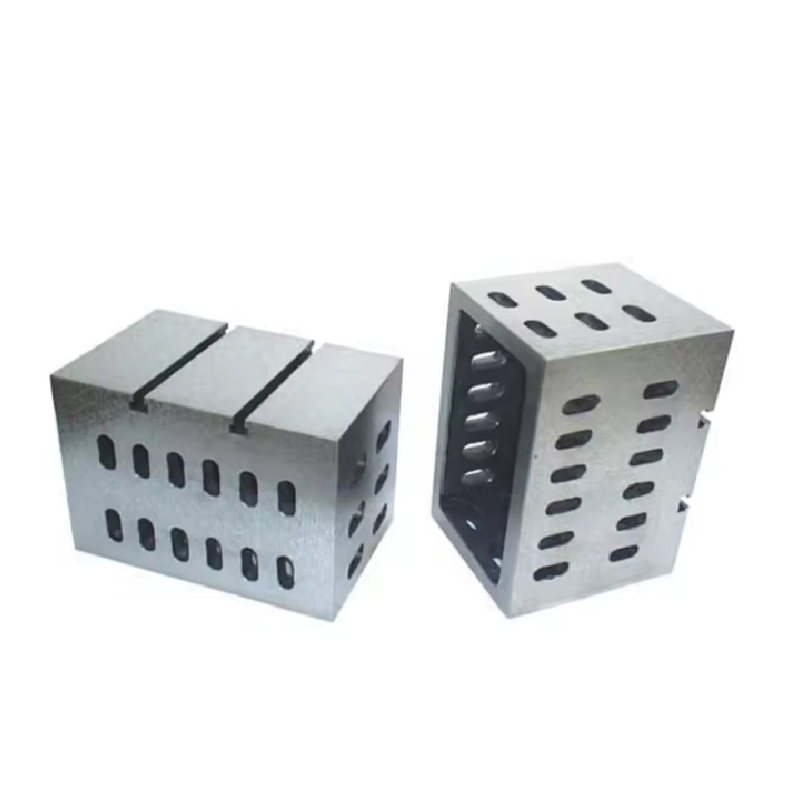
textured glass panels
The Importance of Equipment Vibration Pads in Industrial Settings In today's fast-paced industrial environment, maintaining equipment efficiency and reliability is paramount. One often-overlooked yet crucial component in achieving this is the use of equipment vibration pads. These pads play a significant role in reducing noise, minimizing wear and tear, and enhancing the overall performance of machinery. This article delves into the various aspects of equipment vibration pads, exploring their benefits, types, applications, and maintenance. Understanding Vibration and Its Impact Every piece of machinery generates vibrations during operation. These vibrations can be caused by factors such as imbalances, misalignments, and even external forces. While some vibration is normal, excessive or uncontrolled vibrations can lead to a range of issues, including equipment failure, increased maintenance costs, and employee discomfort. Vibration pads are designed to absorb and dampen these vibrations, thereby protecting both the equipment and the operating environment. Benefits of Vibration Pads 1. Reduction of Wear and Tear By minimizing the vibration transmitted to machinery, vibration pads help to extend the lifespan of equipment. This reduction in movement can significantly decrease mechanical wear, resulting in lower replacement and repair costs. 2. Improved Performance Equipment operating under optimal conditions tends to perform better. Vibration pads can help maintain these conditions by minimizing resonance, a phenomenon that can amplify damaging vibrations and lead to inefficiencies. 3. Noise Reduction Excessive vibrations often lead to increased noise levels. Vibration pads help dampen these vibrations, resulting in a quieter working environment. This is particularly important in settings where noise regulations must be adhered to, such as hospitals or residential areas near industrial sites. 4. Enhanced Safety Equipment that vibrates excessively can become a safety hazard. For instance, loose parts can fall off, creating risks for nearby workers. By stabilizing machinery, vibration pads contribute to a safer workplace. 5. Energy Efficiency Excessive vibrations can lead to energy losses due to inefficiencies within the machinery. Using vibration pads can help ensure that machines operate within their optimal vibration thresholds, leading to energy savings and improved sustainability. Types of Vibration Pads equipment vibration pads Vibration pads come in various materials and designs, each suited to specific types of equipment and operational scenarios. Common materials include rubber, neoprene, and cork, each offering unique properties in terms of durability and vibration absorption. 1. Rubber Pads Known for their durability and excellent vibration-dampening characteristics, rubber pads are often used in heavy machinery applications. They can withstand harsh conditions while providing effective isolation. 2. Neoprene Pads These pads are resistant to oil and chemicals, making them suitable for environments where such substances are present. They provide a balance between flexibility and stiffness, ensuring effective vibration control. 3. Cork Pads As a natural material, cork is an eco-friendly option that provides good shock absorption and sound-dampening qualities. These pads are often used in lighter equipment or in environments where aesthetics are a consideration. Applications of Vibration Pads Vibration pads are versatile and can be applied in a wide range of settings, including - Manufacturing Plants To stabilize heavy machinery such as mills, presses, and lathes. - HVAC Systems To minimize noise and vibrations from air conditioning units and compressors. - Transportation In vehicles, vibration pads can improve comfort and reduce strain on components. - Electronics Sensitive equipment, such as servers and sensitive instruments, benefits from vibration isolation to ensure accuracy and longevity. Maintenance Considerations To maximize the effectiveness of vibration pads, regular inspection and maintenance are essential. This includes checking for wear and tear, ensuring proper placement, and replacing pads that have degraded over time. Regular maintenance not only prolongs the life of the vibration pads themselves but also contributes to the overall health of the machinery. Conclusion In conclusion, equipment vibration pads are a critical aspect of industrial operations. Their ability to reduce noise and vibrations enhances the longevity and efficiency of machinery while also contributing to a safer and more pleasant working environment. By understanding the importance of these pads and selecting the appropriate type for specific applications, industries can significantly improve their operational reliability and effectiveness. Investing in quality vibration pads is not just a maintenance consideration; it is a step towards achieving operational excellence.
about
textured glass panels
The Dual Facets of Fence Spikes Security and Controversy In the realm of property protection and perimeter security, fence spikes have emerged as a popular deterrent against unauthorized intrusion and unwanted climbers. These sharp, metal protrusions, typically fixed along the top of fences or walls, embody a simple yet effective approach to enhancing security measures. However, they also spark debates surrounding their ethical implications and potential harm to both humans and animals. This article delves into the dual facets of fence spikes – their role in bolstering security and the controversies that surround their use. **Security A Pragmatic Defense Mechanism** Fence spikes, often made from corrosion-resistant materials like stainless steel or aluminum, serve as a physical barrier that discourages would-be intruders. Their menacing appearance alone acts as a psychological deterrent, signaling that any attempt to scale the fence will result in injury. This passive security measure is particularly favored for commercial properties, warehouses, government facilities, and even residential homes seeking an additional layer of protection without the ongoing costs associated with electronic surveillance systems. Their design varies from blunt-tipped to sharply pointed, with some models featuring a reverse angle that makes it difficult for individuals to dismount once they've climbed onto the spikes. This not only prevents intrusion but can also buy valuable time for security personnel or law enforcement to respond. Furthermore, fence spikes are generally easy to install and require minimal maintenance, making them a cost-effective security solution. **Controversies Balancing Safety and Ethics** While the security benefits of fence spikes are undeniable, they have also become a subject of controversy due to safety and ethical concerns. Critics argue that these devices pose a significant risk to unsuspecting or desperate individuals who may attempt to scale a fence, leading to injuries ranging from minor cuts to severe lacerations and even life-threatening falls if a climber loses balance. The ethical debate extends beyond human welfare to include animal rights. Stray animals or wildlife attempting to traverse fences can inadvertently come into contact with these spikes, causing unnecessary suffering Stray animals or wildlife attempting to traverse fences can inadvertently come into contact with these spikes, causing unnecessary suffering Stray animals or wildlife attempting to traverse fences can inadvertently come into contact with these spikes, causing unnecessary suffering Stray animals or wildlife attempting to traverse fences can inadvertently come into contact with these spikes, causing unnecessary suffering fence spikes . This has led animal welfare organizations to raise concerns about the indiscriminate harm inflicted by such security measures. Legal frameworks in various jurisdictions reflect this dichotomy. Some cities have outright banned or heavily regulated the use of sharp fence spikes in public areas, emphasizing the need for more humane alternatives. Others mandate clear warning signs to alert individuals of the potential danger, striking a balance between security needs and public safety. **Alternative Solutions and the Path Forward** Acknowledging the controversies, developers and security experts are exploring alternative designs that maintain deterrence while minimizing harm. One such innovation includes rounded or blunted tips that still make climbing difficult but reduce the risk of injury. Coating the spikes with non-slip materials can further discourage attempts without causing severe injuries. Another approach involves integrating electronic surveillance with physical barriers, leveraging technology like motion sensors, infrared cameras, and alarm systems to detect and deter intruders without relying solely on potentially harmful physical deterrents. Ultimately, the deployment of fence spikes underscores the complex interplay between security needs and ethical considerations. As societies strive to protect their assets, the challenge lies in adopting security measures that are both effective and respectful of human dignity and animal welfare. Through continued innovation and responsible implementation, it is possible to strike a balance that upholds security without compromising on ethical standards.
-

High quality industrial productsagement

High quality industrial products
View Details -

Meet the diverse needs of customers

Meet the diverse needs of customers
View Details -

Strict quality control

Strict quality control
View Details -

Top raw materials

Top raw materials
View Details -

Trusted supplier

Trusted supplier
View Details
Our application

news and information
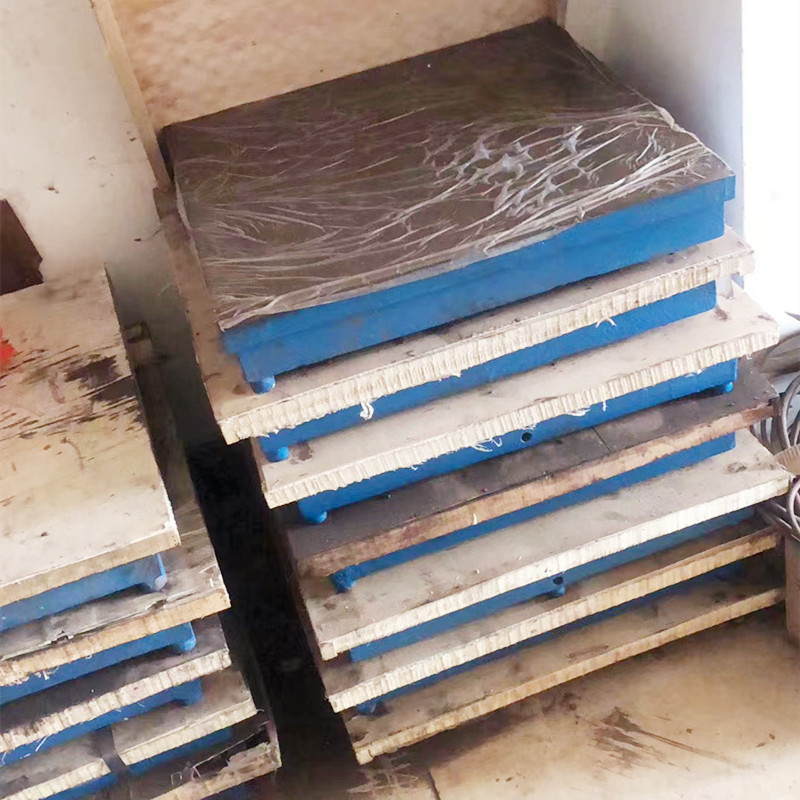
v block
Understanding the V Block in Modern Technology In the fast-paced world of technology, the term V b
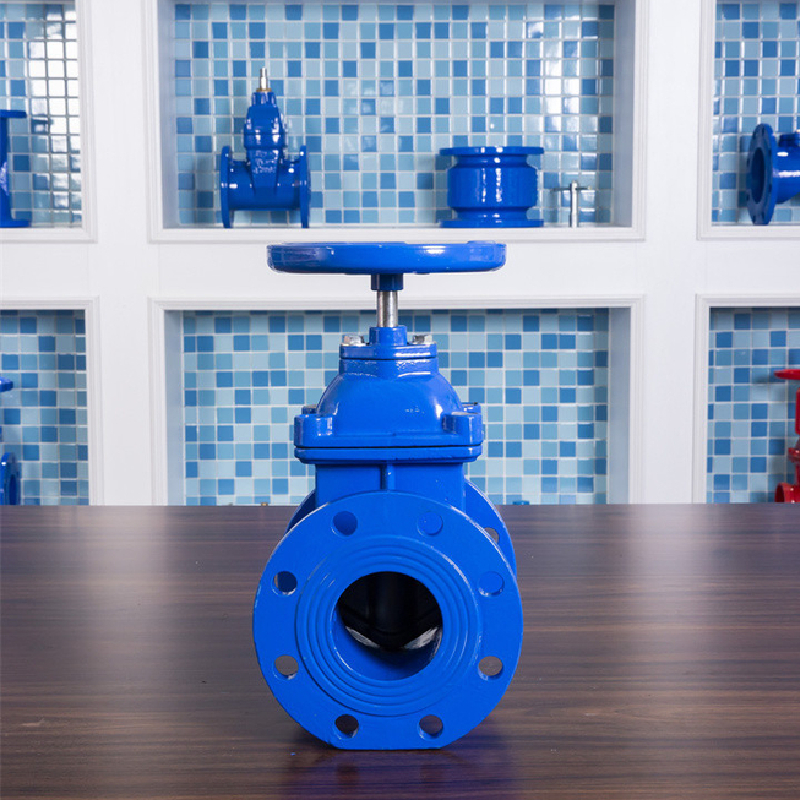
Using a Level for Accurate Measurements with a Marking Ruler
Using a Marking Ruler with Spirit Level A Guide to Precision in Projects When it comes to achieving

Water Valve Shutoff System for Efficient Water Management and Control
Understanding Water Valve Shutoff Key Insights for Homeowners Water valves are essential components
 English